How to Choose the Right Fence for Children and Pets in West Allis, WI
A well-designed fence can help create a safer outdoor space for children and pets while giving your family more room to play and relax. Learn how to choose the right fence height, materials, gates, and layout for your West Allis property.
A fenced backyard can make everyday life easier for families. Children have more room to play outdoors, dogs can enjoy fresh air, and homeowners can establish a clear boundary around their property. However, not every fence provides the same level of security or convenience.
For homeowners in West Allis, WI, choosing a family-friendly fence means considering more than appearance. Fence height, panel spacing, gate hardware, and the layout of your yard can all affect how well the fence serves your household.
With thoughtful planning, you can select a fence that fits your property, supports your family's needs, and complements your home's exterior.
1. Choose a Fence Height That Suits Your Needs
Fence height is an important consideration when you want to keep children and pets safely within a designated outdoor area. A fence should be appropriate for the size, behavior, and activity level of your pets while providing a clear boundary for children.
For dogs that jump or climb, a taller fence may be more suitable than a low decorative design. Smaller dogs may need closer attention to openings along the bottom of the fence, while energetic pets may require a sturdy structure with secure gates.
Before choosing a height, check the applicable local restrictions. West Allis generally allows residential fences up to six feet in side and rear yards, but fences are not allowed in required front-yard setbacks. Special height limits apply in restricted visibility areas near street and alley intersections.
2. Select Materials That Match Your Family's Lifestyle
The right fencing material should balance durability, appearance, maintenance, and your household's daily needs.
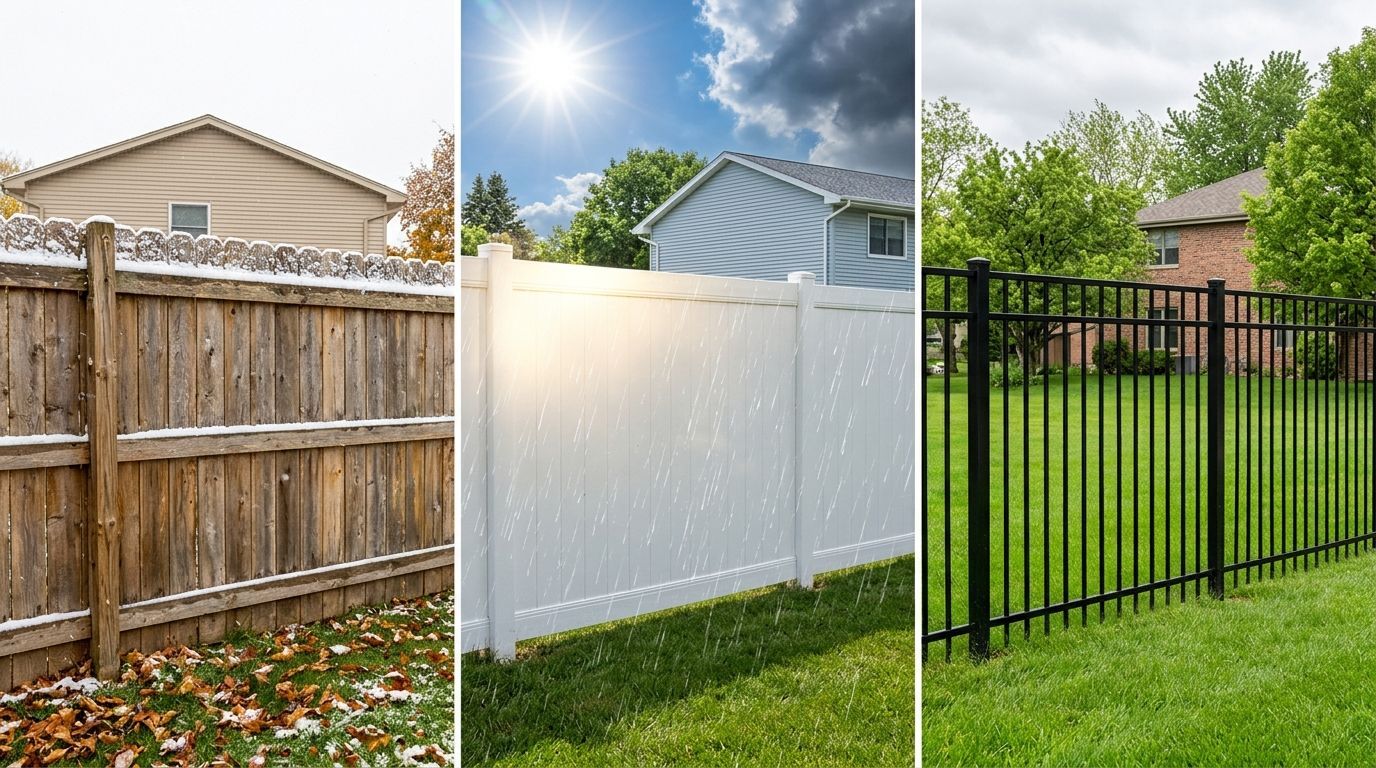
Wood fencing: Wood can provide privacy and create a defined backyard play area. Solid panels may be helpful when you want to limit distractions for pets, although dogs that chew or dig may require additional precautions.
Vinyl fencing: Vinyl offers a clean appearance and generally requires less routine maintenance than wood. It is available in privacy and other styles, but the selected design should be sturdy enough for your intended use.
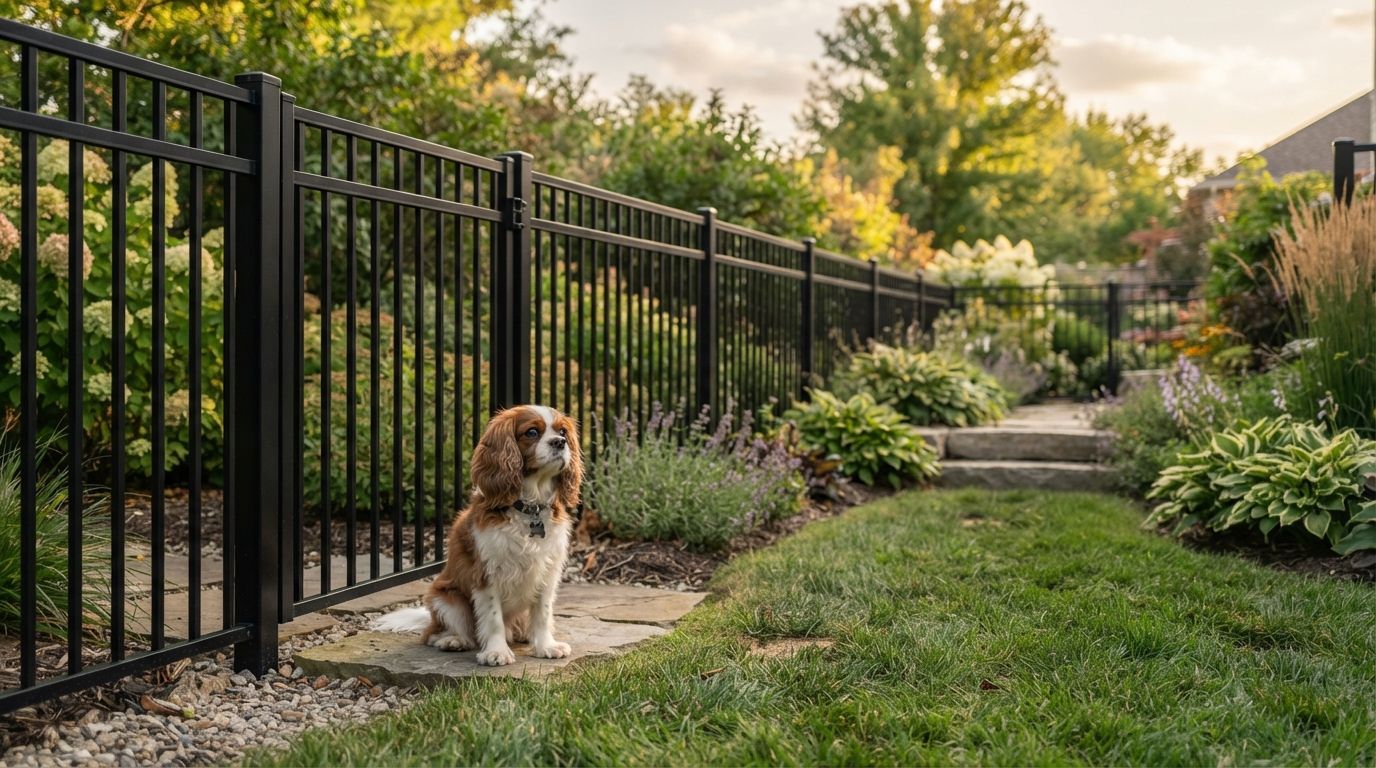
Metal fencing: Aluminum and other suitable metal designs can provide a strong boundary while allowing visibility across the yard. Check the spacing between rails and pickets to ensure it suits the size of your pets and does not create avoidable climbing hazards.
Chain-link fencing: Chain-link can be a practical option for containing pets while keeping the yard visible. Consider the fence height, condition, bottom clearance, and gate security when selecting a design.
Compare the benefits of each material before deciding which option best fits your property.
3. Pay Attention to Gaps and Openings
The spaces between fence panels and underneath the fence deserve as much attention as the fence itself. Small dogs and puppies may squeeze through openings that appear insignificant, while larger dogs may try to push beneath loose or uneven sections.
Walk the planned fence line and look for areas where the ground slopes, dips, or changes height. These locations can create gaps that make containment more difficult.
Choose a design with spacing appropriate for your pets and inspect the finished installation for loose boards, damaged panels, and openings near posts. If your dog is a persistent digger, ask about suitable ways to secure the bottom of the fence without creating drainage problems.
For families with young children, make sure the fence and gate design do not create unnecessary hazards, such as sharp edges or openings that could trap fingers.
4. Make Gate Security a Priority
Even a well-built fence cannot provide dependable containment if its gates are easy to leave open or do not latch properly.
Choose gate hardware that is durable and convenient for adults to operate. If children will use the backyard independently, consider how the latch is positioned and whether it can be operated safely and appropriately for their age.
Check that gates close securely, align properly, and have enough clearance to swing without dragging against the ground. If you have a large dog, ask your contractor about stronger hinges and latches suited to the gate's size and expected use.
It is also worth considering where gates will be placed. A gate that opens toward a driveway or street may require additional thought to avoid creating an unsafe situation.
5. Consider Privacy and Outdoor Play Space
Some pets become excited when they can see people, vehicles, or other animals passing by. A privacy fence may reduce some visual distractions and create a more enclosed backyard.
For children, a clearly defined play area can make outdoor activities easier to organize. You might want to separate a play space from garden beds, storage areas, or outdoor equipment.
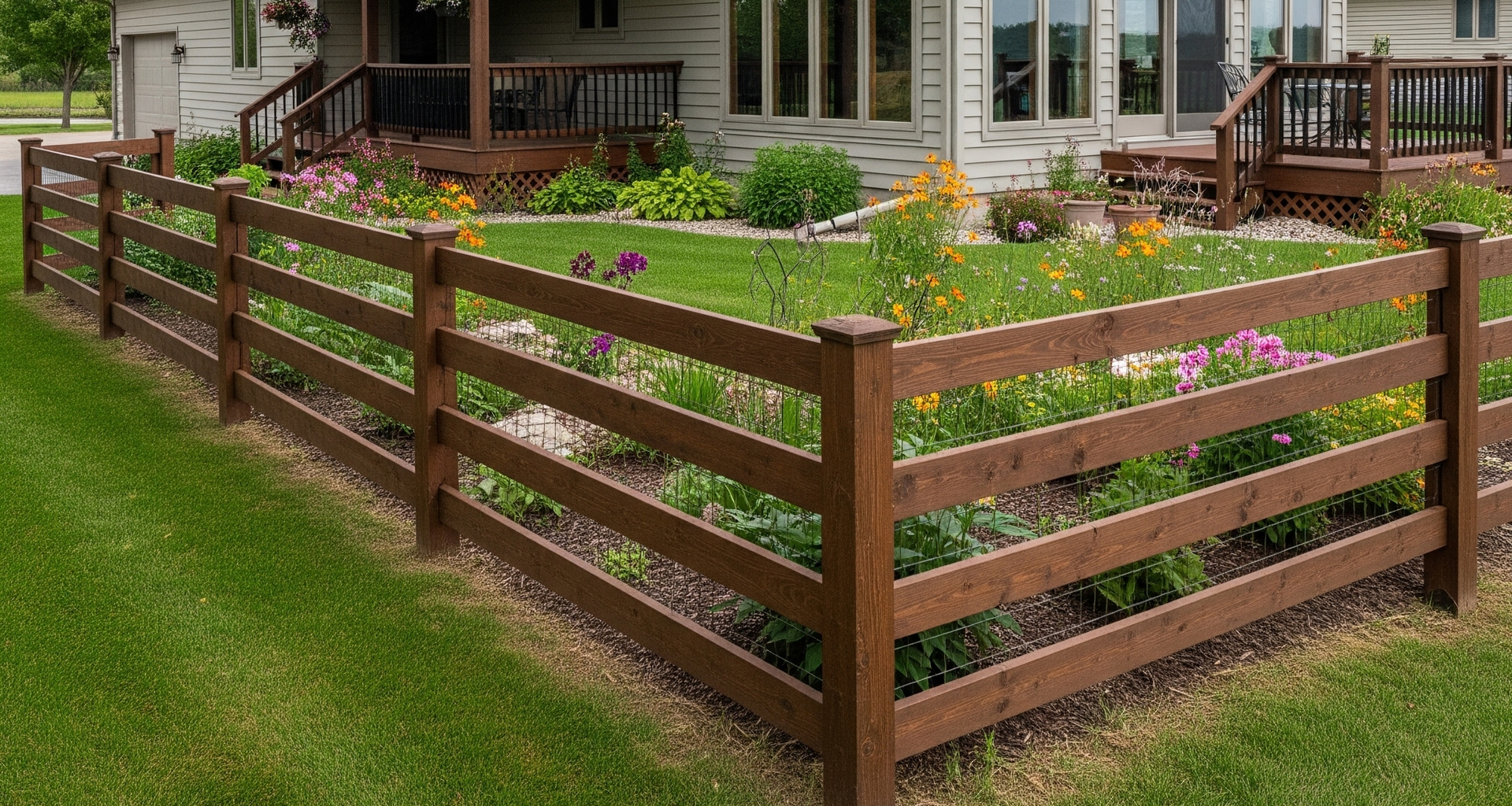
However, a completely enclosed design is not always necessary. An open fence may suit households that want to maintain visibility while defining their property's boundaries.
Think about how your family uses the yard throughout the year and select a layout that supports play, relaxation, and convenient access.
6. Plan for Weather and Long-Term Maintenance
Wisconsin's seasonal weather can affect fence materials, posts, gates, and hardware. Moisture, freezing temperatures, snow, and shifting ground can contribute to wear over time.
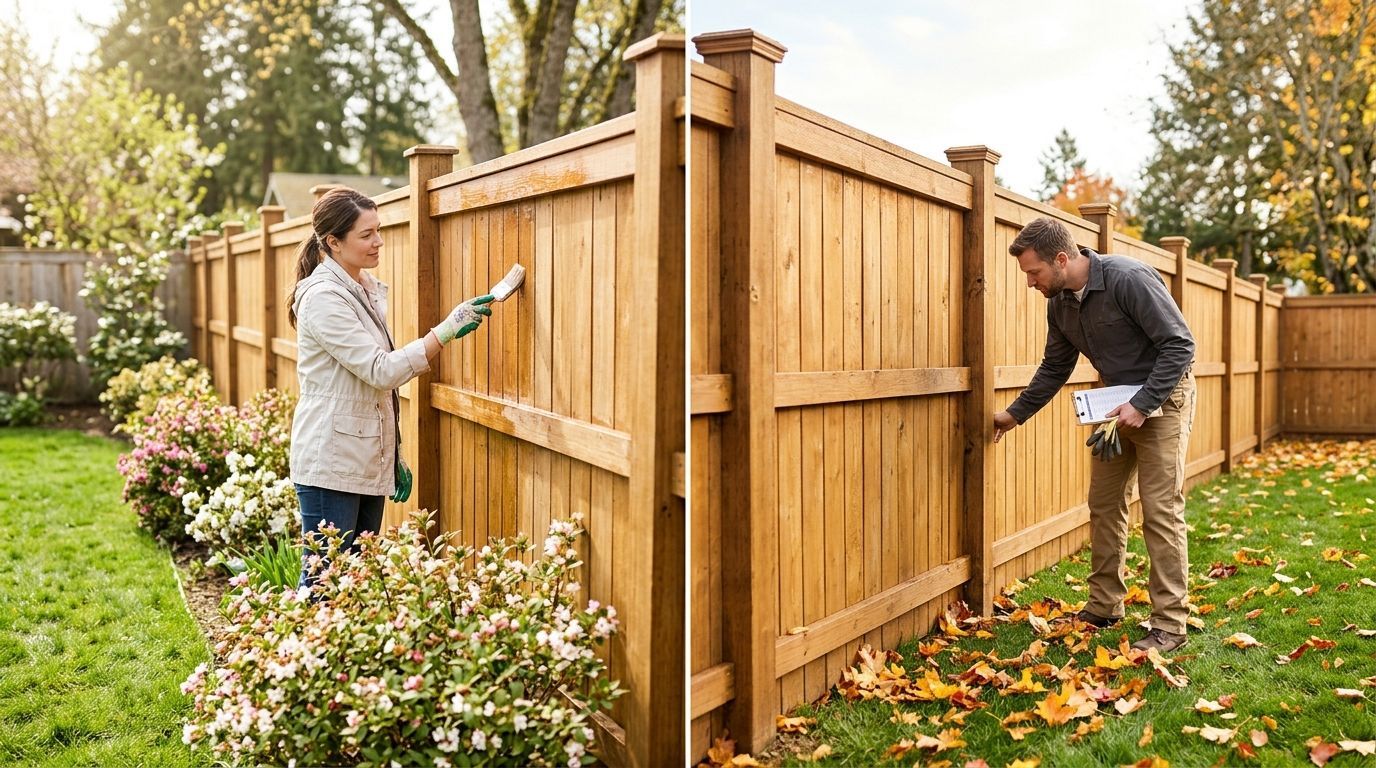
Wood fences may need periodic staining or sealing, while vinyl generally requires routine cleaning. Metal fences should be inspected for damage, loose fasteners, and corrosion where applicable.
Check gates regularly to make sure they remain aligned and close securely. After severe weather, inspect the fence for loose panels, leaning posts, and damaged sections that could compromise its function.
Routine maintenance helps keep your fence in good condition and gives you an opportunity to address small problems before they become more serious.
7. Check West Allis Fence Requirements Before Installation
Before purchasing materials or scheduling installation, review the City of West Allis's current fence regulations.
The city states that residential fences generally do not require a fence permit, but homeowners must still comply with placement, height, material, and construction requirements. Fences cannot extend into the public right-of-way, and the finished side must face outward toward the neighbor, street, or alley.
Corner lots and areas near street or alley intersections have additional restrictions. If your property has a nonstandard layout or you are unsure where a fence can be installed, contact the city's Department of Building Inspection and Neighborhood Services before proceeding.
It is also wise to establish your property boundaries and arrange for underground utilities to be marked before digging.
Create a Backyard Your Family Can Enjoy
Choosing the right fence involves finding a practical balance between safety, privacy, appearance, and maintenance. By considering your children's play space, your pets' behavior, the placement of gates, and the needs of your property, you can make a more informed decision.
A well-planned fence can help define your backyard and make it more comfortable for everyday family life. Be sure to confirm local requirements and select materials suited to your intended use before starting construction.
West Allis Fence can help you explore fencing options for new installations, replacements, repairs, privacy, and property boundaries. Reach out to discuss your family's needs and request an estimate for a fence that suits your West Allis home.
Wood vs. Vinyl vs. Aluminum: Which Fence Material Survives the Local Climate Best in West Allis, WI?