Wood vs. Vinyl vs. Aluminum: Which Fence Material Survives the Local Climate Best in West Allis, WI?
A Homeowner's Guide to Choosing Durable Fencing That Can Handle Wisconsin's Changing Seasons
Choosing a new fence is about more than finding a style that looks good around your property. The material you select can affect how long your fence lasts, how much maintenance it needs, and how well it handles the weather throughout the year.
For homeowners in West Allis, Wisconsin, weather is an important consideration. Freezing winter temperatures, snowfall, spring moisture, summer heat, and changing ground conditions can all affect the performance of an outdoor fence.
Wood, vinyl, and aluminum are three popular fencing options, but each has different strengths and maintenance requirements. Some homeowners prefer the natural appearance of wood, while others value the low-maintenance qualities of vinyl or the clean, open look of aluminum.
So, which material is the best choice for a West Allis property?
Let's compare these three options and explore what homeowners should consider before choosing a new fence.
1. Why Does Local Weather Matter When Choosing a Fence?
A fence remains outdoors throughout the year, so it must handle changing temperatures and weather conditions.
In Wisconsin, winter can bring freezing temperatures, snow, and ice. When spring arrives, melting snow and rain can leave the ground wet. Summer brings warmer temperatures and direct sunlight, while fall introduces another period of rain, wind, and changing conditions.
These seasonal changes can affect fencing materials in different ways.
Some common concerns include:
- Moisture exposure that can contribute to wood deterioration
- Repeated freezing and thawing that can affect the surrounding soil
- Snow accumulation and pressure against fence panels
- Sun exposure that may affect certain finishes and materials
- Strong winds that place stress on posts and fence sections
- Water collecting around posts and other structural components
Choosing a suitable material is important, but proper installation matters just as much. A well-selected fence with correctly installed posts, suitable hardware, and proper drainage has a better chance of providing reliable long-term performance.
2. Wood Fencing: Natural Appearance and Traditional Appeal
Wood fencing remains a popular choice for homeowners who want a classic appearance and flexibility in design.
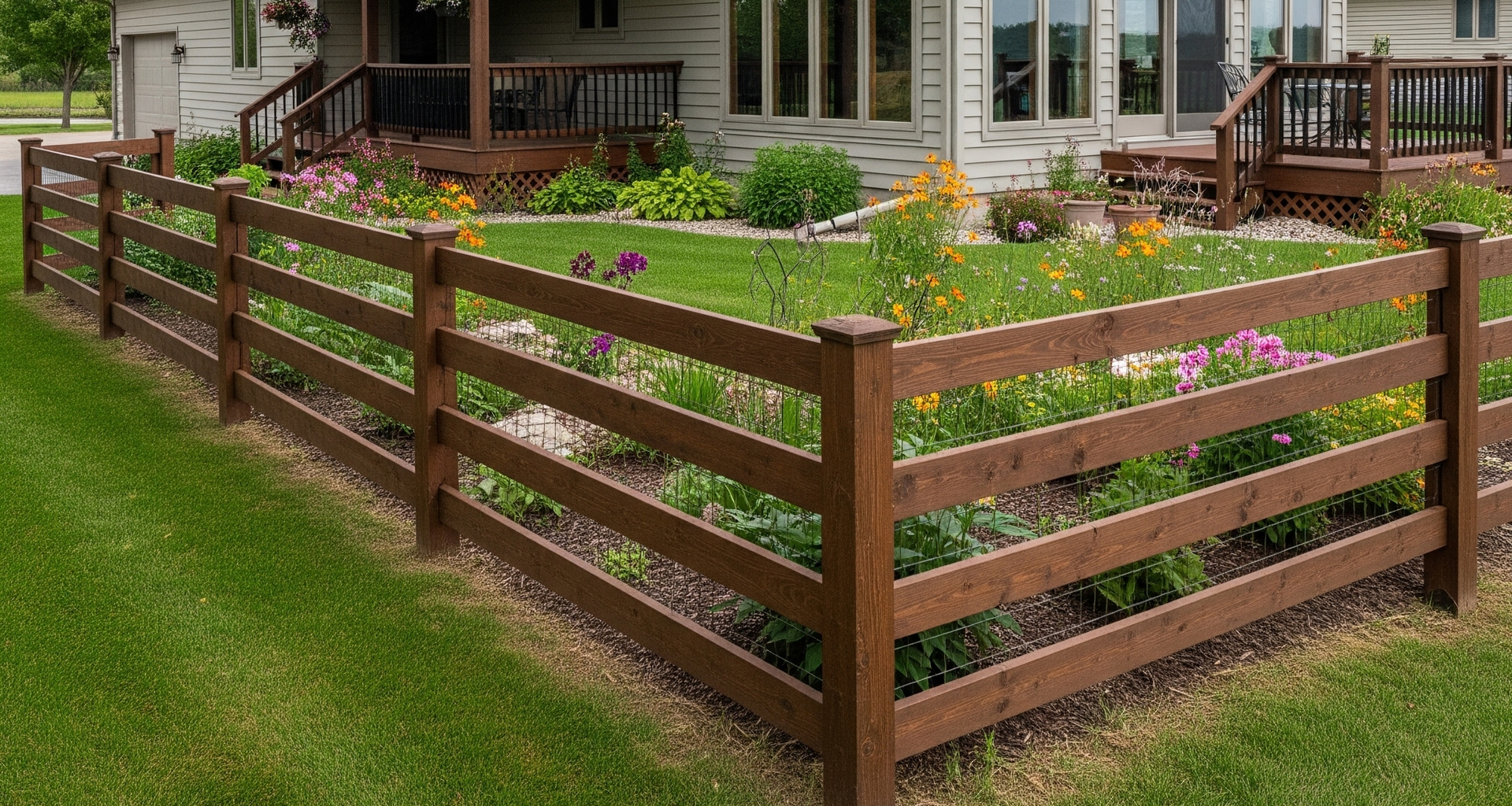
It can provide privacy, define property boundaries, and complement many different home styles. Wood is also available in several designs, including traditional picket fences, horizontal boards, and full privacy panels.
Advantages of Wood Fencing
- Natural appearance that complements outdoor landscaping
- Multiple styles, heights, and design possibilities
- Can be stained or painted in different colors
- Individual boards can often be repaired or replaced
- Provides excellent privacy when installed with solid panels
Potential Disadvantages
Wood requires more regular maintenance than many other fencing materials.
Moisture can enter exposed wood surfaces, and repeated wet and dry conditions may contribute to cracking, warping, splitting, or deterioration over time. Snow and ice can also create additional challenges, especially when debris or moisture remains against the boards.
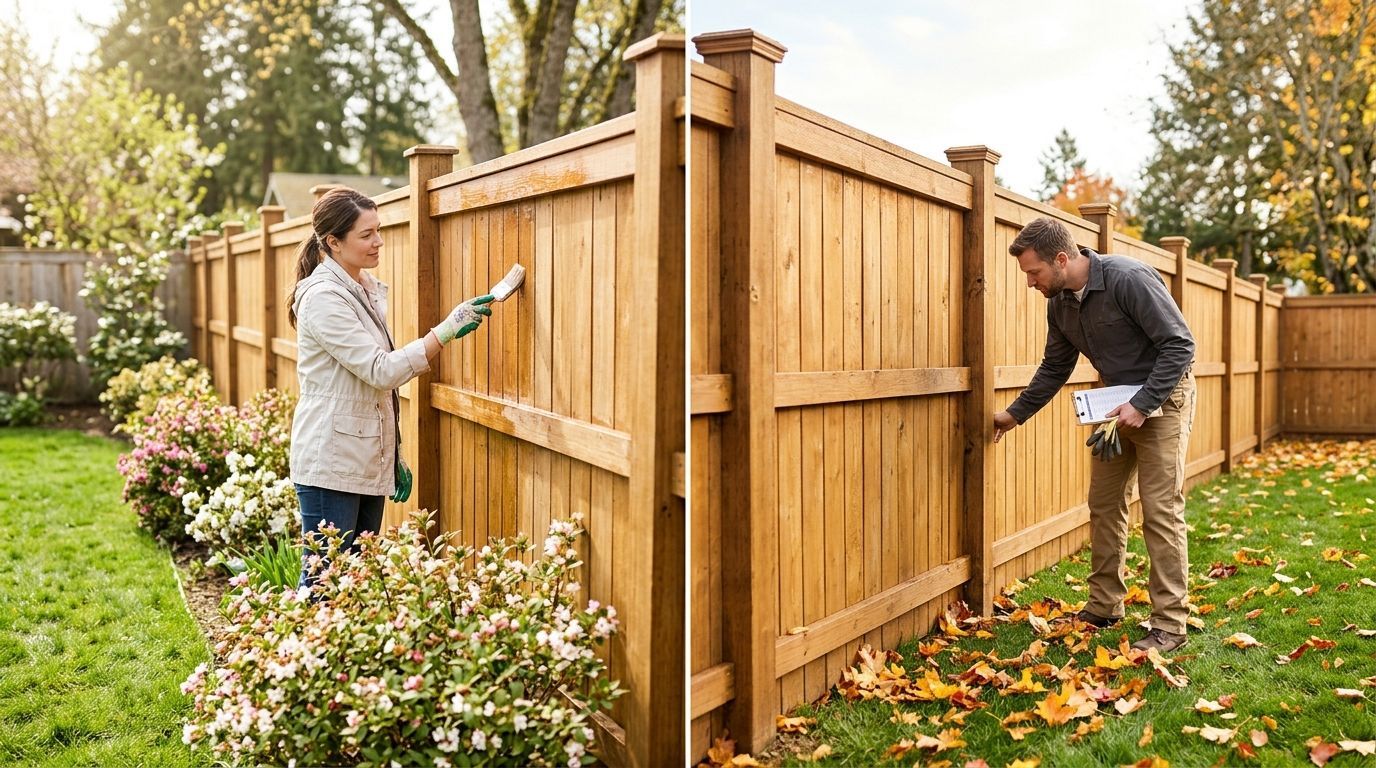
To help protect a wood fence, homeowners should:
- Apply suitable stain or protective sealer when needed
- Inspect boards for cracks, rot, and loose connections
- Keep grass, leaves, and mulch away from the bottom of the fence
- Maintain proper drainage around fence posts
- Repair damaged boards before the problem spreads
Is Wood a Good Choice for West Allis?
Wood can be a good option for West Allis homeowners who appreciate its natural look and are willing to maintain it.
Cedar and properly treated lumber are common choices. However, the type of wood, quality of construction, protective finish, and maintenance routine all influence how well the fence performs over time.
3. Vinyl Fencing: Low Maintenance and Clean Appearance
Vinyl fencing is another popular option for homeowners who want a neat, finished appearance without the regular staining or painting associated with wood.
Made from durable plastic material, vinyl fencing is available in different colors and styles, including privacy panels, picket designs, and decorative options.
Advantages of Vinyl Fencing
- Does not require routine painting or staining
- Resistant to moisture-related wood rot
- Easy to clean with appropriate cleaning methods
- Available in different styles and colors
- Provides a consistent appearance across fence sections
Potential Disadvantages
Although vinyl is designed for outdoor use, it is not completely maintenance-free.
Cold temperatures can make some vinyl products less flexible, which may increase the risk of cracking if the fence receives a hard impact. Snow removal equipment, falling branches, or other physical contact can also damage panels.
Homeowners should consider:
- Choosing quality vinyl designed for outdoor conditions
- Following the manufacturer's installation requirements
- Allowing for the appropriate expansion and contraction
- Inspecting panels and connections periodically
- Avoiding unnecessary impacts from lawn equipment and snow removal tools
Is Vinyl a Good Choice for West Allis?
Vinyl can be a practical option for homeowners who prefer low-maintenance fencing.
It handles moisture differently from natural wood and does not require regular staining. However, product quality and proper installation are important, particularly in areas that experience cold winters and changing temperatures.
Homeowners should compare product specifications and warranties before choosing a vinyl fence.
4. Aluminum Fencing: Strength, Style, and Visibility
Aluminum fencing is often selected for its attractive appearance, durability, and relatively low maintenance requirements.
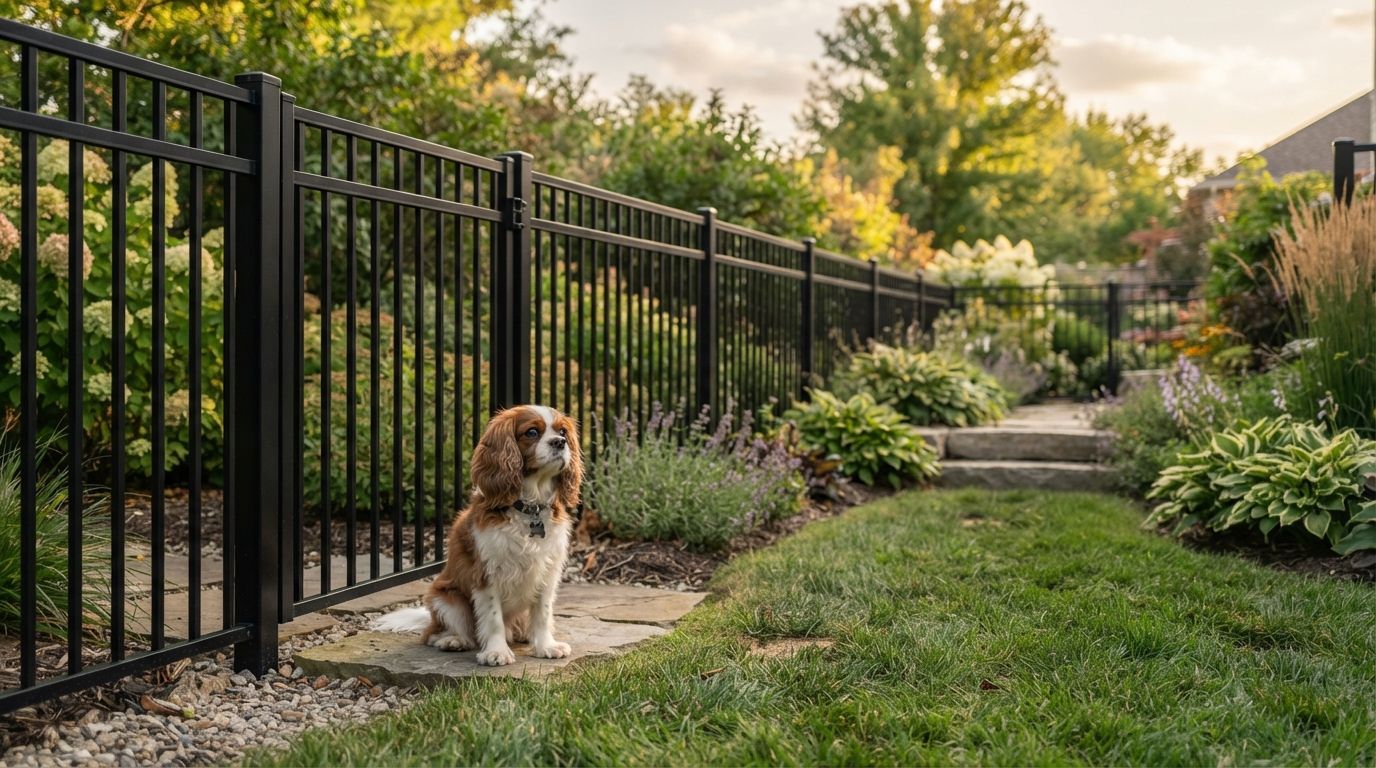
Unlike solid privacy fencing, aluminum designs usually feature open pickets. This allows homeowners to define their property boundaries while maintaining visibility across the yard.
Aluminum fencing is commonly used around front yards, gardens, patios, pools, and landscaped areas.
Advantages of Aluminum Fencing
- Lightweight compared with many other metal fencing options
- Resistant to rust when properly finished
- Requires relatively little routine maintenance
- Available in decorative and modern designs
- Allows visibility and airflow through open picket sections
- Can complement traditional and contemporary homes
Potential Disadvantages
Aluminum fencing may not be the best choice for every property.
Its open design does not provide the same level of privacy as solid wood or vinyl panels. Some aluminum sections can also bend or become damaged if struck by heavy objects.
Before choosing aluminum, consider:
- Whether you need privacy or mainly want to define boundaries
- The quality and thickness of the aluminum components
- The durability of the protective finish
- The strength of the posts and connections
- Whether the design suits your property's layout
Is Aluminum a Good Choice for West Allis?
Aluminum can be an excellent option for homeowners looking for an attractive, low-maintenance fence.
Its resistance to rust makes it useful for outdoor environments where moisture is a concern. However, the fence still needs proper installation and periodic inspection to ensure that posts, gates, and connections remain secure.
5. Wood vs. Vinyl vs. Aluminum: Which Material Is Best?
Each fencing material offers different benefits. The right choice depends on your priorities, property conditions, and preferred appearance.
Here is a simple comparison:
FeatureWoodVinylAluminumAppearanceNatural and traditionalClean and uniformDecorative and modernPrivacyExcellent with solid panelsExcellent with privacy panelsLimited with open picketsMoisture resistanceRequires protectionGenerally very goodGenerally very good with proper finishMaintenanceRegular staining or sealing may be neededOccasional cleaningOccasional cleaning and inspectionCold-weather considerationsMoisture and freeze-thaw exposureProduct flexibility and impact resistanceFinish, hardware, and structural supportDesign flexibilityHighHighBest suited to open designs
There is no single material that is automatically the best for every West Allis property.
Wood may be the right choice for homeowners who value natural character and privacy. Vinyl may appeal to those who want a consistent appearance with less maintenance. Aluminum may be ideal for decorative fencing that keeps the yard visible.
The best decision comes from comparing the material's performance with the way you plan to use your outdoor space.
6. Why Proper Fence Installation Matters in Wisconsin
Even a quality fence material can develop problems if the fence is not installed correctly.
In areas with freezing winters, the ground can experience seasonal movement as moisture freezes and thaws. This can place stress on fence posts, particularly when installation depth, soil conditions, or drainage are not properly considered.
A few important installation factors include:
Proper Post Placement
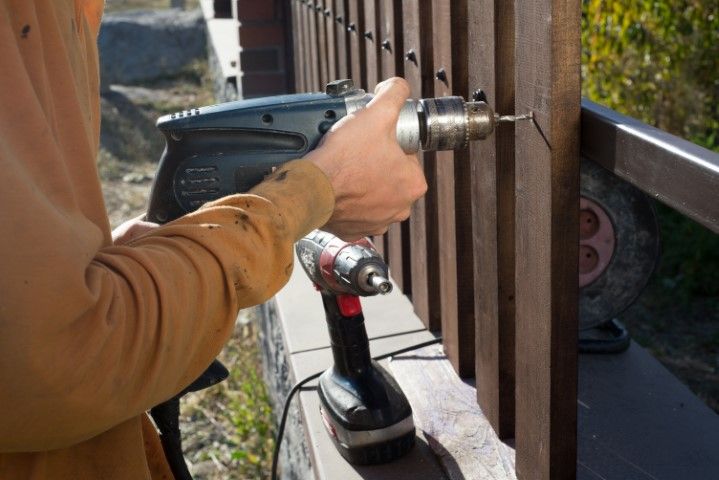
Fence posts provide the support for the entire structure. Their depth and installation method should account for local soil conditions, frost exposure, fence height, and manufacturer recommendations.
Good Drainage
Water collecting around posts can contribute to deterioration and soil movement. Proper drainage helps reduce unnecessary moisture around the fence structure.
Quality Hardware and Connections
Brackets, screws, hinges, and other connections should be suitable for the selected fence material and outdoor exposure.
Appropriate Spacing and Support
Fence sections need adequate support, especially in areas exposed to strong winds or where solid panels may catch more wind.
Correct Gate Installation
Gates experience frequent movement and can become misaligned when posts or hinges are not properly supported.
Taking care of these details during installation can help reduce future problems and improve the overall performance of the fence.
7. How to Choose the Right Fence for Your West Allis Property
Before deciding on wood, vinyl, or aluminum, think about how you want your fence to function.
Here are some questions worth considering:
Do You Need Privacy?
If you want to block views from neighboring properties, solid wood or vinyl panels may be more suitable than an open aluminum design.
How Much Maintenance Are You Comfortable With?
Wood generally requires more attention over time. Vinyl and aluminum usually need less routine maintenance, although both still require occasional cleaning and inspection.
What Is Your Preferred Appearance?
Wood offers a natural look, vinyl provides a clean and consistent finish, and aluminum creates an open decorative appearance.
What Is Your Budget?
The total cost depends on more than the material price. Fence length, height, layout, gates, removal of an existing fence, and installation requirements can all affect the final investment.
What Are Your Property Conditions?
Slopes, drainage concerns, soil conditions, and existing landscaping can influence the type of fence and installation method that will work best.
It is also important to review applicable West Allis fence requirements before starting a project. Property boundaries, permitted fence locations, height limits, and other local rules may affect your plans.
8. Should You Choose the Lowest-Maintenance Fence?
It can be tempting to select a fence based only on how little maintenance it requires. However, the lowest-maintenance option is not necessarily the best choice for every homeowner.
For example, a homeowner who wants complete backyard privacy may prefer vinyl or wood panels over aluminum pickets. Someone who wants to maintain an open view of their landscaping may find aluminum more suitable.
Think about the long-term value of your investment rather than focusing only on the initial purchase price.
Consider the following:
- How long you expect to keep the fence
- The amount of maintenance you are willing to perform
- Whether privacy or appearance is your main priority
- The condition of your existing fence and property
- The quality of materials and installation
- The expected maintenance and repair requirements
A fence that meets your needs and is properly installed can provide better long-term satisfaction than one selected simply because it has a lower upfront cost.
Choose the Right Fence for Your West Allis Home
Wood, vinyl, and aluminum can all be suitable fencing options for West Allis homeowners. Each material has its own advantages, maintenance requirements, and considerations for Wisconsin's changing weather.
Wood offers natural beauty and privacy but requires regular care. Vinyl provides a clean appearance and reduced maintenance, while aluminum delivers an attractive, open design with good resistance to rust.
The right choice depends on your property's layout, desired privacy, budget, and long-term expectations.
West Allis Fence can help homeowners explore fencing options that suit their property, design preferences, and practical needs. Whether you are considering a traditional wood fence, a low-maintenance vinyl option, or decorative aluminum fencing, choosing the right material is an important first step toward a successful project.
Contact West Allis Fence today to discuss your fencing project and explore the options available for your home.
With the right material, thoughtful planning, and proper installation, you can enjoy a fence that complements your property and serves your needs for years to come.